
Wholesale footwear planning · Nigeria
Affordable Footwear for Nigerian Retailers
Affordable does not mean choosing the cheapest shoe. It means balancing a sellable retail price, dependable everyday quality, freight, clearance, sizes and enough margin for the retailer.
Start with landed cost, not the China factory price
A low supplier price can become an unprofitable order when CBM, customs clearance, exchange rates and slow sizes are ignored. The following model uses Toppingdom's verified 600-pair footwear cargo profile: 40 cartons, 420 kg and 5.48 CBM from Foshan to Kano.
Quantity600 pairs
Packing40 cartons
Weight420 kg
Volume5.48 CBM
Why the cargo profile matters: carton quantity, weight and CBM affect the final landed cost. Freight, customs, exchange rates and destination are reconfirmed privately for every quotation rather than published as permanent rates.
Four practical retail market positions
Retailers should choose a product specification for the customer they want to serve. These indicative Nigerian retail bands describe market positioning, not fixed Toppingdom quotations.
Request a current quotation: wholesale price depends on style, specification, quantity, colours, sizes, packing, exchange rate and Nigerian destination.
Match the shoe to the target customer
| Retail market band | Customer priority | Product positioning | What buyers should verify |
|---|---|---|---|
| ₦20,000-₦30,000 | Lowest practical price | Entry and traffic-building style | Basic finish, correct sizing and acceptable bonding |
| ₦30,000-₦45,000 | Value and everyday comfort | Main affordable range | Insole, packaging, shape and batch consistency |
| ₦45,000-₦60,000 | Visible quality upgrade | Better everyday footwear | Sole, lining, finish, presentation and durability checks |
| Above ₦60,000 | Brand, quality or specialist value | Higher-quality positioning | Authenticity, performance evidence and after-sales support |
The correct selling price must leave enough room for shop expenses, advertising, delivery, platform charges, discounts, returns and unsold sizes. Retailers should calculate this privately for their own channel.
Use neutral colours to reduce trial-order risk
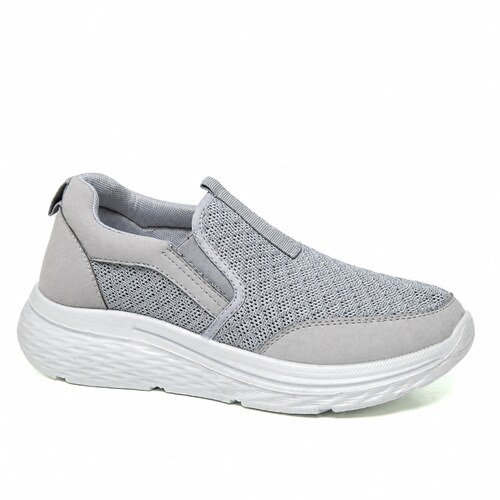
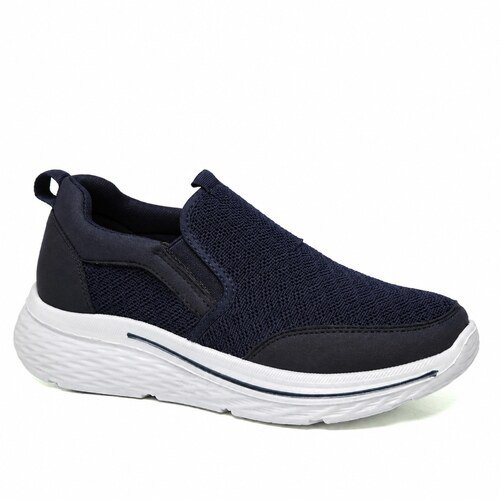
A first order should not split quantity equally across every colour. Neutral colours usually reach more daily-wear customers, while pink or brighter colours should be tested in smaller quantities.
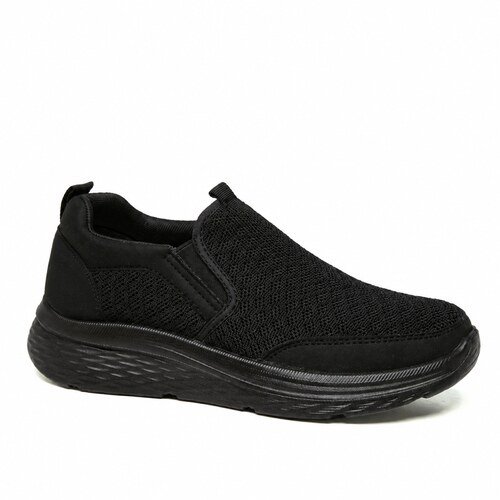
Broad appeal and easier maintenance.
Neutral but younger than plain black.
Useful for walking and casual styling.
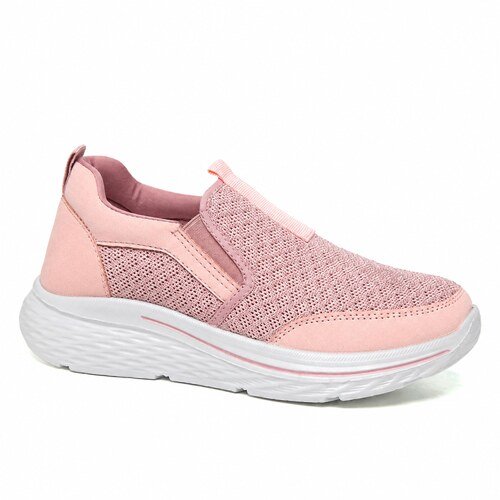
Test women's demand before scaling.
The percentages are a starting model, not a claim about nationwide demand. Repeat orders should follow the retailer's actual sales by colour and city.
Plan a size curve instead of ordering every size equally
Middle sizes normally receive more units in a trial order, while the smallest and largest sizes receive fewer. Confirm inside length and fit from the approved sample before using any ratio.
| Example | Sizes | Pairs by size | Total |
|---|---|---|---|
| Men's/unisex first test | 40 / 41 / 42 / 43 / 44 / 45 | 4 / 8 / 12 / 12 / 8 / 4 | 48 pairs |
| Women's first test | 37 / 38 / 39 / 40 / 41 / 42 | 2 / 4 / 6 / 6 / 4 / 2 | 24 pairs |
Verify the last
Ask for inside length by size and confirm whether the supplier's EU-labelled shoe runs small, standard or large.
Record sell-through
Track sales, returns and stock-outs by style, colour and size instead of recording only total pairs sold.
Change the repeat order
The second order should use real sales evidence, not automatically repeat the first size ratio.
Five risks that can remove the expected profit
Freight and FX movement
CBM and exchange rates can change between sample approval and cargo payment. Keep a quotation validity period.
Slow sizes and colours
A profitable style can still trap cash when extreme sizes or bright colours remain unsold.
Photo-quality gap
Photos cannot prove PU/EVA compound, flex life, abrasion, wet grip, bonding or actual comfort.
Channel costs
Marketplace commission, advertising, delivery and returns make online selling more expensive than direct shop sales.
Reorder inconsistency
Keep supplier model numbers, colour codes, size charts and approved samples so the next batch can be compared.
Overclaiming performance
Without performance tests, sell these as sports-style walking or casual shoes rather than certified professional running shoes.
Build a safer first assortment
For a mixed footwear test, one workable starting structure is 50% slip-on walking shoes, 30% lace-up sports-casual shoes and 20% women's or distinctive test styles. Keep most of the first order in neutral, broadly wearable designs, then test a smaller number of visibly upgraded or distinctive products before scaling.
Catalogue traceability: the Toppingdom Footwear Catalogue contains 382 product codes covering men's, women's and unisex shoes, including knitted uppers and PU/EVA sole options. Send the product codes for a current supplier quotation.
See the real shoe sample evaluation → See the 600-pair Foshan-to-Kano case →
Frequently asked questions
How should retailers plan a sustainable selling price?
Include product quality, freight, clearance, local delivery, platform charges, advertising, returns and slow-moving sizes. The final margin should suit the retailer's sales channel and operating costs.
Are the retail price bands fixed?
No. They are broad market-positioning references. Product quality, city, sales channel, quantity and customer expectations can move the final retail price higher or lower.
Can I use the same size ratio for every Nigerian city?
No. Use it only as a first test, then rebuild the size curve from actual sales in your store, channel and city.
Request a current affordable footwear quotation
Send the product code or photo, quantity, colours, size breakdown and Nigerian delivery city. Toppingdom will reconfirm supplier price, MOQ, packing, CBM, freight and service scope before payment.